Visual Intent
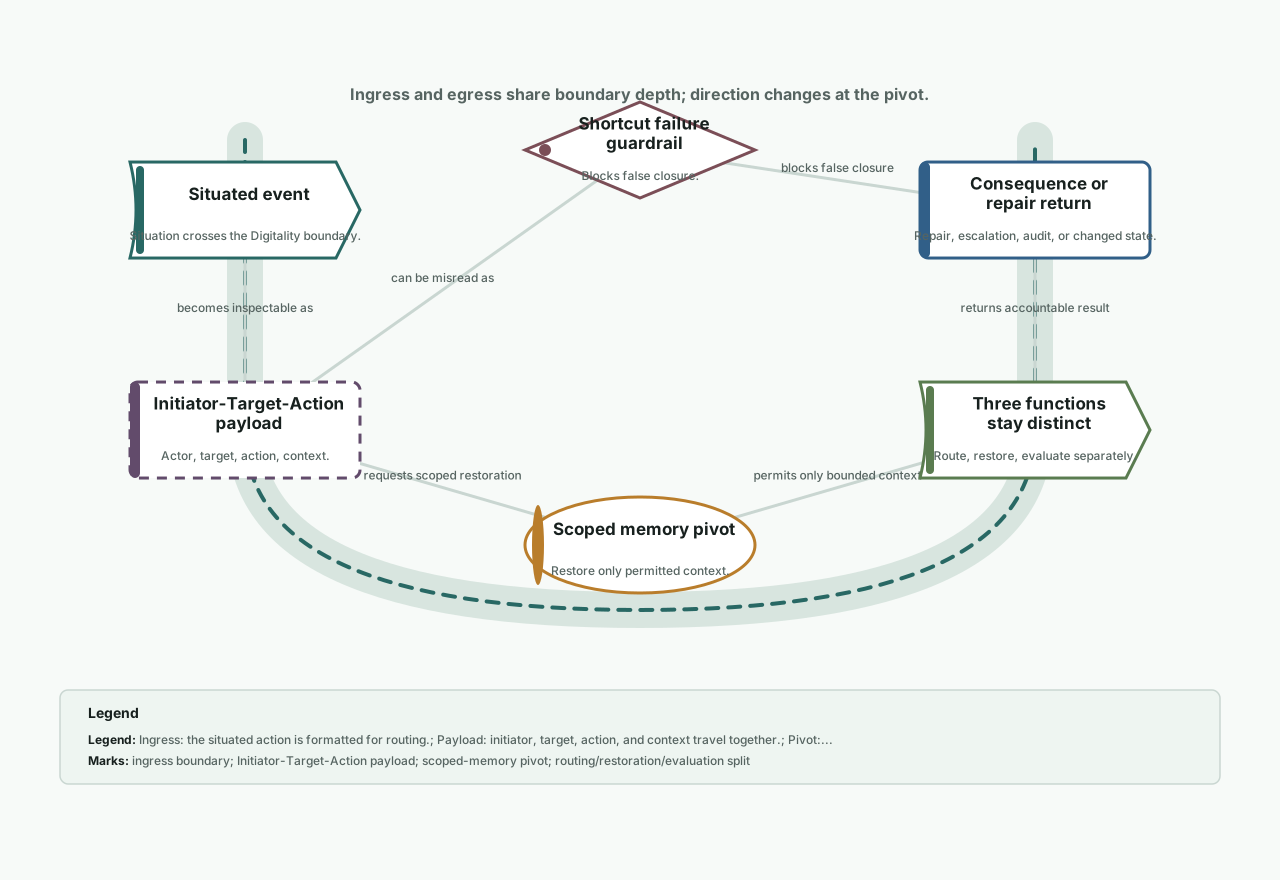
This diagram treats the Digitality Interaction Schema as a folded boundary event. The prose says the schema is not a screen flow and not a generic workflow diagram; it is the grammar that lets a living situation, machine process, organizational commitment, or content object cross into a discrete record without losing accountable shape.
The hairpin form is doing the work. The left side shows ingress: a situated event becomes a payload with initiator, target, action, and context. The bottom pivot shows governed restoration, where a memory reference can help retrieve permitted context without becoming permission itself. The right side shows egress: routing, restoration, and evaluation stay distinct until a consequence or repair path returns to the world.
The top guardrail names the failure the prose warns against. If the system treats a reference as permission, a record as understanding, or an action payload as acceptance, the shortcut bypasses the schema rather than using it.